

Exploring the psychology behind casino gaming
The Allure of Chance
The thrill of uncertainty is one of the core psychological drivers behind casino gaming. Players are drawn to the unpredictable nature of games, as the potential for winning offers an enticing escape from the mundanity of daily life. The concept of luck plays a significant role; individuals often believe in their ability to influence outcomes, which adds a layer of excitement. This belief often perpetuates engagement, as players hope that their next turn could lead to a life-changing jackpot at neosurf online casino australia . The allure of chance creates a unique psychological environment, enticing players to return time and again, driven by the hope of hitting it big.
Moreover, the ambiance of a casino enhances this allure. Bright lights, vibrant sounds, and the electric energy of fellow players create an immersive experience that stimulates the senses. This sensory overload can lead to a euphoric state, encouraging players to continue gambling despite rational warnings. The atmosphere is carefully designed to amplify excitement, with casinos often employing colors and sounds that create a feeling of urgency and anticipation. Essentially, the excitement and anticipation overshadow the potential negative consequences, creating a compelling environment for continued play.
The psychological phenomenon known as the “gambler’s fallacy” also plays a crucial role in motivating individuals to participate in casino gaming. Players may mistakenly believe that previous outcomes influence future results, leading them to chase losses or continue betting on a perceived winning streak. This cognitive bias reinforces their commitment to the game and can make the experience feel more rewarding, further entrenching them in the cycle of gaming. The gambler’s fallacy illustrates how cognitive distortions can powerfully affect decision-making processes, keeping players engaged in a loop of hope and expectation.
The Social Dynamics of Gaming
Casino gaming is not just about chance and individual strategy; it also has significant social dynamics at play. Many people enjoy the communal aspect of gaming, where they can share their experiences with others. This interaction fosters a sense of belonging and camaraderie among players. Social approval can enhance the gaming experience, as individuals cheer each other on, making the environment more engaging and enjoyable. The shared highs and lows of gaming create bonds between players, turning gambling into a social activity rather than just a solitary pursuit.
Additionally, casinos often implement features that promote social engagement, such as multiplayer games and dedicated areas for group activities. This design encourages interaction, allowing players to form bonds over shared experiences. The laughter, conversations, and collective excitement create an atmosphere that amplifies emotional investment in the gaming experience. Furthermore, tournaments and events can cultivate a sense of competition and collaboration, deepening players’ connections to one another and to the game itself.

Peer influence can significantly impact a person’s decision to participate in gambling activities. When individuals witness friends or acquaintances winning, the allure of potential success can be overwhelming, prompting them to join in. This social validation can encourage risk-taking behavior, as players may feel more confident in their chances of winning, especially in an environment that seems to celebrate success. As a result, social dynamics become instrumental in shaping gaming habits, often leading individuals to gamble more than they initially intended due to the influence of those around them.
Psychological Effects of Winning and Losing
The psychological responses to winning and losing in a casino setting can be profound and varied. Winning often triggers a release of dopamine, a neurotransmitter associated with pleasure and reward, which can create a euphoric feeling. This reaction not only reinforces the behavior of gaming but also creates an addictive cycle where individuals chase that thrill through continued play. The high associated with a win can overshadow any losses previously incurred, leading to a distorted perception of overall success. This phenomenon illustrates how positive reinforcement plays a crucial role in maintaining gambling behavior.
Conversely, losing can elicit feelings of frustration and disappointment. Players may experience a range of emotions, from mild annoyance to severe distress, particularly if they have lost significant amounts. This feeling can lead to irrational decision-making, where individuals may choose to gamble more in an attempt to recover their losses, a behavior known as “chasing losses.” This psychological trap emphasizes the importance of understanding emotional responses in gambling contexts, as the desire to regain lost money can lead to even greater losses.
The rollercoaster of emotions experienced during gaming highlights the potential for addiction. Casino gaming can create a cycle where the highs of winning stimulate players to continue, while the lows of losing motivate them to play even harder to regain their lost fortunes. Understanding these psychological effects can help individuals navigate their gambling behavior and recognize when they might be crossing the line into unhealthy territory. Being aware of these emotional dynamics is essential for anyone participating in gambling activities.
The Role of Marketing and Design
Marketing strategies and casino design are meticulously crafted to enhance the psychological allure of gaming. The layout of a casino, for example, is often designed to create a maze-like experience, encouraging players to explore further while minimizing awareness of time passage. This deliberate design can lead to longer gaming sessions, as individuals become absorbed in the environment. The absence of clocks and windows further augments this effect, fostering a sense of timelessness. This architecture not only captivates players but also strategically influences their behavior, often leading to increased spending.
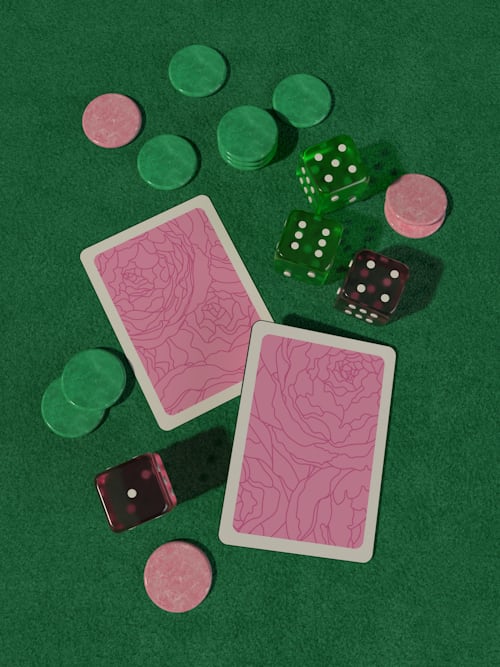
Additionally, promotional strategies, such as loyalty programs and enticing bonuses, play a direct role in influencing player behavior. These offers not only reward players for their continued engagement but also create a sense of belonging and value. Players often feel compelled to take advantage of these incentives, reinforcing their commitment to frequent play and enticing them to return regularly even when their wins are minimal. The psychological principle of reciprocity can be very powerful, as players feel they owe it to the casino to keep playing after receiving these rewards.
Gamification elements, such as leaderboards or challenges, are increasingly common in casinos, further appealing to the competitive instincts of players. These features provide benchmarks for success, allowing participants to measure their performance against others. This competitive spirit can foster a deeper emotional investment in the gaming experience, drawing individuals back for more excitement and engagement, making them susceptible to the influences of both marketing and design. Ultimately, the way casinos are marketed and designed has a significant impact on player behavior and engagement.
How to Approach Gaming Responsibly
Understanding the psychological aspects of casino gaming is essential for fostering responsible participation. Recognizing the emotional highs and lows, as well as the social influences, can empower players to set limits and engage in healthy gaming behaviors. Establishing personal limits on time and money spent can help mitigate the risks associated with problematic gambling, allowing individuals to enjoy the experience without falling prey to its more negative consequences. This proactive approach encourages a mindful attitude towards gaming, promoting enjoyment without the threat of harmful behaviors.
Moreover, awareness and education about the psychological mechanisms at play can promote self-regulation. Players should be encouraged to reflect on their motivations for gambling and their emotional responses to wins and losses. Addressing these factors can lead to more mindful participation, allowing individuals to engage with gaming as a form of entertainment rather than an escape or a means of income. Resources and support systems should be made available to assist individuals in understanding their gaming habits and making informed choices.
As we delve deeper into casino gaming’s psychological impacts, it becomes clear that responsible approaches demand both self-awareness and a commitment to mental well-being. Resources for support and education on responsible gaming practices should be accessible, ensuring that individuals can enjoy the thrill of casino gaming while safeguarding their mental health and overall quality of life. By promoting responsible gaming, the industry can help maintain a balance between enjoyment and risk, allowing players to engage in gaming activities without jeopardizing their well-being.
Categorizado en: Public
Esta entrada fue escrita portr_economicas


