

Unlocking the secrets of casino psychology How your mind influences your bets
The Role of Emotions in Gambling
Emotions play a crucial role in the decision-making process within casinos. When players are in a heightened emotional state, such as experiencing joy after a win or frustration after a loss, their betting behavior can shift dramatically. For instance, a player might increase their bets in an attempt to chase losses, a phenomenon commonly referred to as “loss chasing.” This emotional influence can lead to poor judgment and significant financial consequences. Therefore, understanding the allure of online casinos can help players recognize their triggers.
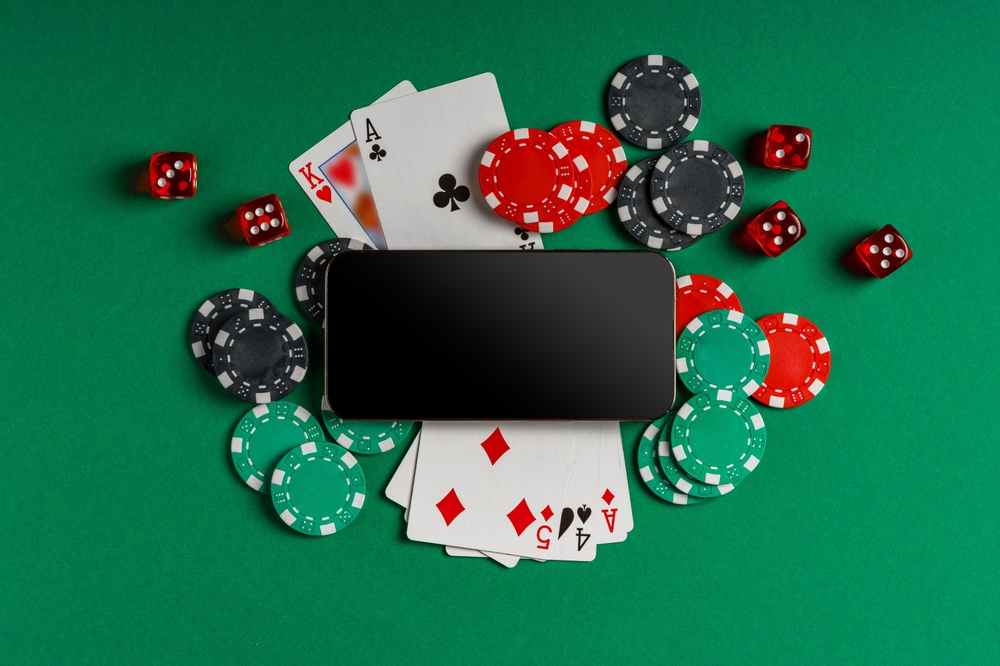
Moreover, emotions like excitement can create a euphoric state, often making players more likely to take risks they wouldn’t normally consider. Understanding how emotions interact with gambling behavior is essential for players looking to maintain control and make informed choices. Recognizing these emotional triggers can empower gamblers to establish healthier betting habits.
Perception and Illusion in Casino Environments
The design and ambiance of a casino are meticulously crafted to manipulate perception and enhance the gambling experience. Bright lights, enticing sounds, and the placement of games are all designed to create an illusion of winning. This sensory overload can lead players to perceive a higher likelihood of success than actually exists, affecting their betting decisions.
For example, the near-miss phenomenon, where a player almost wins a game, can trigger feelings of hope and motivation to continue betting. Casinos capitalize on this psychology by creating a false sense of potential reward. By understanding these illusions, bettors can be more cautious and critically assess the reality of their chances.
The Impact of Social Dynamics on Betting Behavior
Social dynamics can significantly influence an individual’s gambling behavior. The presence of other players, whether friends or strangers, often affects the decisions made at the gaming table. In social settings, individuals may feel pressure to conform to the betting styles of others, which can lead to elevated risk-taking and impulsive decisions.
Additionally, the social aspect of gambling can enhance the experience, leading to increased enjoyment and, subsequently, higher bets. However, it is essential for players to remain aware of the power of social influence and to make choices based on personal strategy rather than group dynamics.
Understanding Cognitive Biases in Gambling
Cognitive biases are systematic errors in thinking that can affect the decisions we make, especially in high-stakes environments like casinos. Gambler’s fallacy, for instance, is the belief that future probabilities are altered by past events. This can lead players to irrationally believe that a win is ‘due’ after a string of losses, prompting them to place larger bets.
Being aware of these cognitive biases is vital for gamblers. By recognizing and challenging these flawed thought patterns, individuals can improve their gambling strategies and reduce the likelihood of making impulsive bets based on misconceptions about chance and probability.
Exploring Our Website for More Insights
Our website is dedicated to providing users with valuable insights into the world of gambling and casino psychology. We understand that navigating the complexities of betting can be challenging, and our resources aim to enhance your understanding of how your mind influences your gambling habits.
From strategies for responsible betting to breaking down psychological principles, we offer a comprehensive exploration of the subject. We encourage you to explore various sections of our site to gain a deeper understanding of how to make informed decisions while enjoying the thrill of gambling.
Categorizado en: Sin categoría
Esta entrada fue escrita portr_economicas


